Unit 5 / 55 Hampden Road, Nedlands Mon–Fri 7:00am–5:00pm · Evenings by appt
ADA Member · Australasian Sleep Association 08 6389 0555
Dental Difference
Services / TMJ Dysfunction
TMJ dysfunction

TMJ treatment in Perth

The temporomandibular joint connects your lower jaw to your skull — one of the most complex and frequently used joints in the body. Around 70% of people experience some jaw dysfunction in their lifetime, though only about 5% seek treatment. Many live with symptoms for years without realising help is available.
Book a Consultation ✆ 08 6389 0555
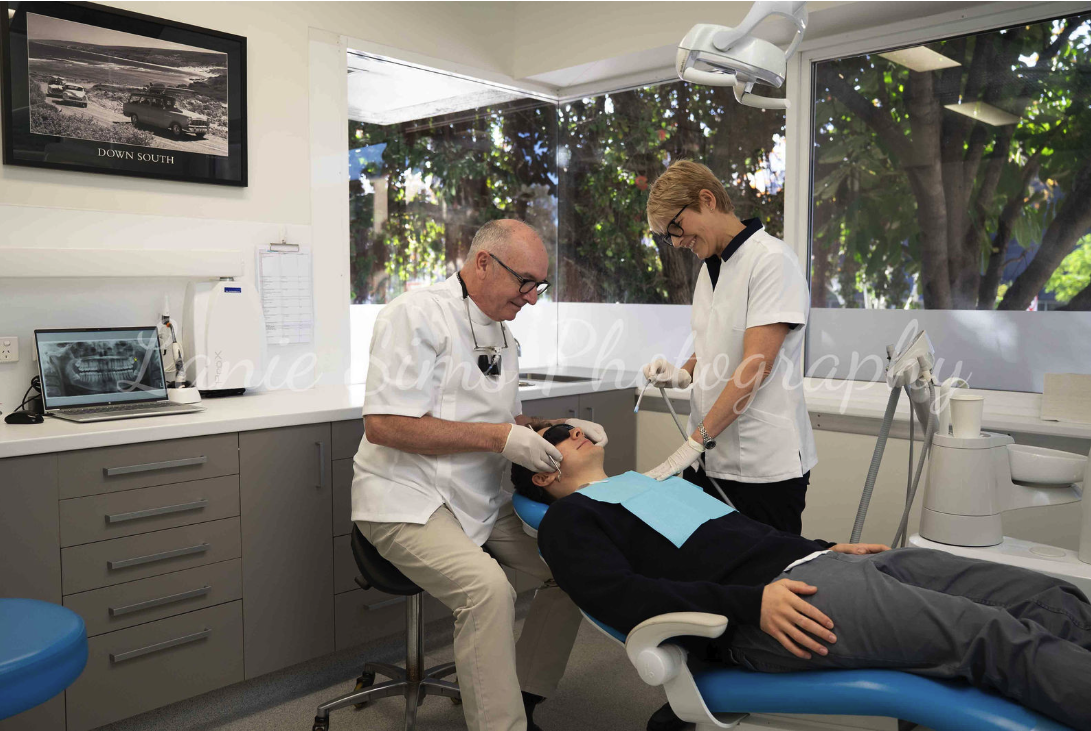
TMJ assessment
Dr Lego's experience: 10 years · UWA TMJ Dysfunction Clinic Grad. Dip. Dental Sleep Medicine Member, Australasian Sleep Association
Symptoms of TMD

How it can present

Jaw pain or tenderness, especially in the morning
Clicking, popping or grating sounds
Difficulty opening wide or jaw locking
Headaches, earaches or facial pain
Pain when chewing or yawning
Symptoms that overlap with other conditions
What causes TMD?

Rarely just one thing

The relationship between TMD and sleep disorders is well established — treating one often helps the other.

Bruxism

Grinding and clenching, particularly sleep bruxism, strains the joint and muscles.

Trauma

A blow to the jaw or face, whiplash, or prolonged dental procedures.

Bite issues

How your teeth come together can affect how the joint functions.

Stress & joint degeneration

Muscle tension, plus arthritis or disc displacement within the joint itself.

How Dr Lego treats TMD

Conservative first — surgery is a last resort

Most experts agree non-surgical treatment should always be tried first. Invasive procedures can sometimes create more problems than they solve.

01

Assess

Thorough exam — jaw movement, muscle palpation, and how your teeth come together.

02

Reduce pain

Address acute symptoms, joint locking and muscle spasm.

03

Restore function

Increase jaw mobility through splint therapy, physiotherapy and self-management.

04

Address causes

Screen for sleep bruxism, airway issues, stress and bite problems.

Multidisciplinary care with: Physiotherapists Sleep physicians ENT specialists Oral & maxillofacial surgeons GPs & medical specialists

TMD and sleep disorders go together

If you're being treated for TMD, Dr Lego also screens for related sleep conditions including sleep bruxism and obstructive sleep apnoea — and vice versa. Treating sleep issues can have a direct positive effect on jaw symptoms. Learn about sleep disorders →

Frequently asked questions

Should I see a dentist or a doctor for TMJ problems?+
A dentist with training in TMJ disorders is often the best starting point, as many symptoms relate to how your teeth and jaw work together. Dr Lego coordinates with your GP, physiotherapist or other specialists as needed.
Is TMJ treatment painful?+
Treatment focuses on reducing pain, not causing it. Splints are comfortable to wear and physiotherapy techniques are gentle. Most patients notice improvement within the first few weeks.
How long does TMJ treatment take?+
It varies — some patients respond within weeks, others need several months of management. Dr Lego will give a realistic timeframe after your initial assessment.
Is TMJ treatment covered by health insurance?+
Dental components such as splints may be partially covered under extras cover, with HICAPS for on-the-spot claims. Physiotherapy and medical components may be covered under Medicare or your health fund.
Can TMJ problems come back?+
TMD can be episodic, flaring during stress, illness or poor sleep. The self-management strategies Dr Lego teaches are designed to help you manage flare-ups when they occur.
Explore more

Related services