Unit 5 / 55 Hampden Road, Nedlands
Mon–Fri 7:00am–5:00pm · Evenings by appt
ADA Member · Australasian Sleep Association
✆08 6389 0555
If you grind your teeth at night, wake unrefreshed, or have been told you snore heavily, there may be a dental connection. Sleep bruxism and sleep disordered breathing are closely related — and a dentist with the right training plays a central role in diagnosis and treatment.
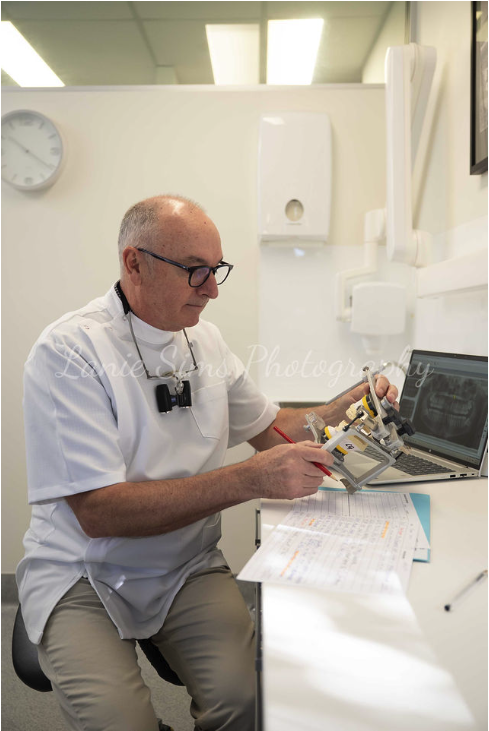
Sleep bruxism affects an estimated 14–20% of children and around 8% of adults. Unlike the occasional clenching most people do when stressed, it's a sleep-related movement disorder driven by the central nervous system — not by the teeth themselves. There's growing evidence it may represent the body's attempt to protect the airway during sleep.
Treatment varies with your dental and medical situation. Dr Lego works closely with sleep physicians, ENT specialists, physiotherapists and oral surgeons to address the underlying causes — not just the dental symptoms.
Sometimes it's a sign of obstructive sleep apnoea (OSA) — where the upper airway repeatedly collapses during sleep. OSA affects an estimated 2–4% of middle-aged adults and, left untreated, is associated with significant health risks. Snoring in children is considered abnormal and usually associated with OSA.
Following medical referral and a diagnostic sleep study, Dr Lego provides custom-made mandibular advancement splints that hold the lower jaw slightly forward during sleep to help keep the airway open. A recognised treatment for: